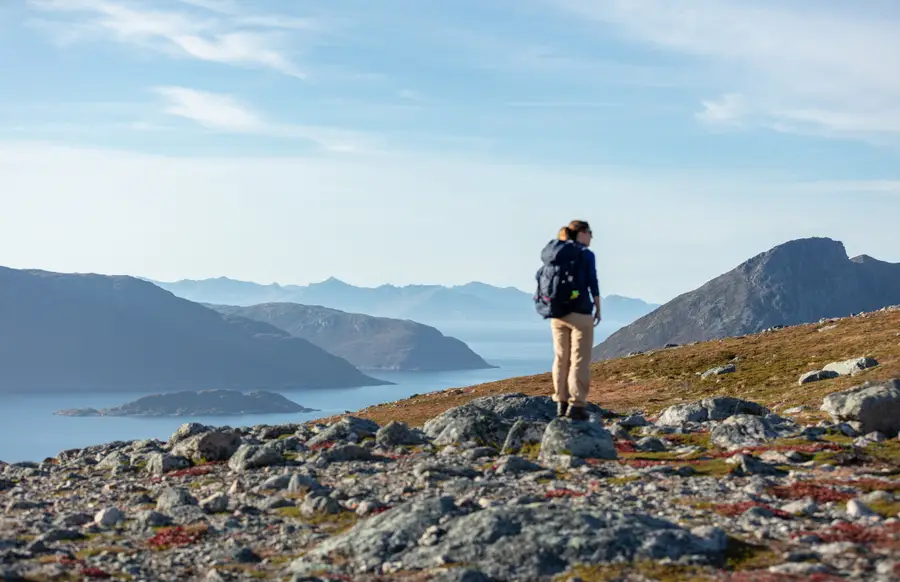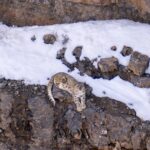
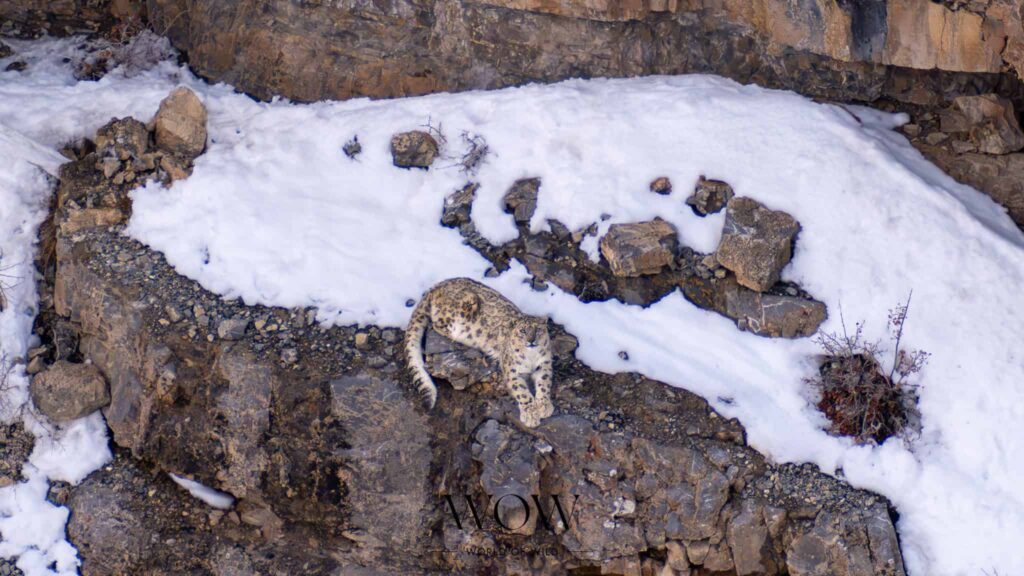
Imagine trekking through the dramatic Himalayan mountains, surrounded by snow-covered peaks, while searching for one of the world’s most elusive big cats—the snow leopard.
For wildlife enthusiasts, photographers, and adventure travelers from the USA, UK, Europe, and Australia, a Snow Leopard Expedition in India is one of the most rewarding wildlife experiences on Earth. Unlike traditional safaris, this expedition combines high-altitude trekking, breathtaking landscapes, Buddhist culture, and the rare opportunity to spot a snow leopard in its natural habitat.
In this guide, you’ll learn everything you need to know about planning a snow leopard expedition in India, including the best destinations, travel tips, safety advice, cultural experiences, and how to combine this adventure with other iconic Indian destinations.
Why Choose a Snow Leopard Expedition in India?
What Is a Snow Leopard Expedition?
A snow leopard expedition is a guided wildlife tracking experience in the high-altitude regions of the Indian Himalayas.
The goal is to observe the elusive snow leopard in the wild while exploring remote mountain landscapes.
Why It Is Unique
- One of the rarest wildlife sightings in the world
- Stunning Himalayan scenery
- Small-group adventure experiences
- Authentic local cultural interactions
- Incredible wildlife photography opportunities
For many wildlife travelers, spotting a snow leopard is a once-in-a-lifetime achievement.
Where Can You See Snow Leopards in India?
1. Hemis National Park, Ladakh
The most famous destination for snow leopard tracking in India is Hemis National Park.
Hemis National Park is often called the “Snow Leopard Capital of India.”
Highlights
- Highest snow leopard density in India
- Expert wildlife trackers
- Spectacular mountain landscapes
- Rich Buddhist heritage
Most successful sightings occur during winter.
2. Ulley Valley, Ladakh
Ulley Valley is another excellent location for snow leopard expeditions.
The valley offers:
- Community-based tourism
- Eco-friendly homestays
- Experienced local guides
- Excellent wildlife viewing opportunities
Many photographers prefer Ulley Valley for extended expeditions.
3. Spiti Valley, Himachal Pradesh
Spiti Valley is becoming increasingly popular among wildlife travelers.
What Makes It Special?
- Remote Himalayan wilderness
- Traditional mountain villages
- Snow leopard habitat
- Stunning winter landscapes
Spiti offers a perfect blend of wildlife and culture.
Best Time for a Snow Leopard Expedition
Winter Season (January to March)
This is the ideal period for snow leopard tracking.
Why Winter?
During winter:
- Snow leopards descend to lower elevations
- Visibility improves
- Wildlife tracking becomes easier
- Photography conditions are excellent
Average Temperatures
Expect temperatures between:
- Day: -5°C to 5°C
- Night: -15°C to -25°C
Proper preparation is essential.
What Wildlife Can You See Besides Snow Leopards?
A snow leopard expedition offers much more than a single species.
Common Wildlife Sightings
- Blue Sheep
- Himalayan Ibex
- Red Fox
- Golden Eagle
- Tibetan Wolf
- Lammergeier
The Himalayan ecosystem is one of the most fascinating wildlife habitats in Asia.
What Does a Typical Snow Leopard Expedition Look Like?
Sample 8-Day Itinerary
Day 1
Arrive in Leh, Ladakh
- Acclimatization
- Explore local monasteries
Day 2
Travel to expedition camp
- Meet trackers
- Wildlife briefing
Day 3–7
Snow leopard tracking
Activities include:
- Guided treks
- Wildlife observation
- Photography sessions
- Cultural interactions
Day 8
Return to Leh and depart
This schedule maximizes wildlife viewing opportunities while allowing proper acclimatization.
Cultural Experiences During the Expedition
One of the most rewarding aspects of the journey is meeting local Himalayan communities.
Experience Ladakhi Culture
Visitors can enjoy:
- Traditional Buddhist monasteries
- Local mountain villages
- Regional cuisine
- Cultural storytelling
- Community-run conservation projects
Must-Visit Monasteries
- Thiksey Monastery
- Hemis Monastery
These experiences add depth and meaning to the expedition.
Essential Packing List
Clothing
Bring:
- Thermal base layers
- Insulated jackets
- Waterproof outerwear
- Wool socks
- Warm gloves
- Winter boots
Photography Gear
Recommended:
- DSLR or mirrorless camera
- Telephoto lens (400mm+)
- Extra batteries
- Tripod
Cold temperatures drain batteries quickly.
Safety Tips for International Travelers
Snow leopard expeditions take place in remote, high-altitude environments.
Important Safety Advice
- Allow time for altitude acclimatization
- Stay hydrated
- Travel with experienced guides
- Follow local safety instructions
- Purchase comprehensive travel insurance
Altitude Awareness
Ladakh sits above 3,500 meters (11,500 feet).
Acclimatization is critical for a safe and enjoyable experience.
Combining Wildlife with India’s Iconic Destinations
Many international travelers combine a snow leopard expedition with other famous Indian destinations.
Suggested India Itinerary
Delhi
Explore India’s capital and cultural landmarks.
Agra
Visit the iconic Taj Mahal.
Jaipur
Experience Rajasthan’s royal forts and palaces.
Varanasi
Witness spiritual traditions along the Ganges River.
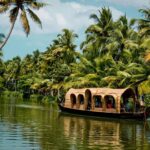
Kerala
Relax in the famous backwaters and enjoy Ayurvedic wellness experiences.
This combination showcases India’s remarkable diversity—from wildlife and mountains to heritage and spirituality.
Plan Your India Trip with Experts
A snow leopard expedition requires careful planning, permits, acclimatization schedules, and experienced wildlife guides.
Benefits of Booking a Guided Wildlife Tour
- Professional naturalist guides
- Higher chances of snow leopard sightings
- Safe high-altitude travel
- Comfortable accommodations
- Local cultural experiences
- Logistical support throughout the journey
Why Travelers Choose Expert-Led Expeditions
- Maximize wildlife encounters
- Reduce travel stress
- Gain valuable local knowledge
- Enjoy safe and responsible tourism
Booking through experienced India wildlife tour operators ensures a smoother and more rewarding adventure.
Frequently Asked Questions (FAQs)
1. Can you really see snow leopards in India?
Yes. India is one of the best places in the world to see snow leopards in the wild, especially in Ladakh during winter.
2. What is the best month for a snow leopard expedition?
February is often considered the best month due to favorable tracking conditions and high sighting opportunities.
3. How difficult is a snow leopard expedition?
Most expeditions involve moderate trekking at high altitude. Good fitness levels are recommended.
4. Are snow leopard sightings guaranteed?
No wildlife sighting is guaranteed. However, experienced trackers significantly improve your chances.
5. Is Ladakh safe for international tourists?
Yes. Ladakh is one of India’s most popular adventure tourism destinations and is generally considered safe for travelers.
6. How much does a snow leopard expedition cost?
Costs vary depending on group size, accommodation standards, and expedition length. Guided tours typically offer the best value.
7. Can beginners join a snow leopard tour?
Yes. Many expeditions are designed for wildlife enthusiasts rather than professional mountaineers.
Conclusion
A Snow Leopard Expedition in India is one of the most extraordinary wildlife adventures available anywhere in the world. From tracking the elusive “Ghost of the Mountains” through Ladakh’s dramatic landscapes to experiencing Buddhist culture and remote Himalayan life, the journey offers unforgettable memories.
Whether you’re a wildlife photographer, nature lover, or adventure traveler, this expedition showcases a side of India that few visitors ever experience.
Combine your snow leopard adventure with iconic destinations like Delhi, Agra, Rajasthan, Varanasi, and Kerala to create the ultimate India travel experience.
Start planning today and discover why India is one of the world’s most diverse and rewarding destinations for wildlife tourism.