For international travelers planning their very first trip to India, the initial excitement is often quickly followed by a classic dilemma: Should I visit North India or South India?
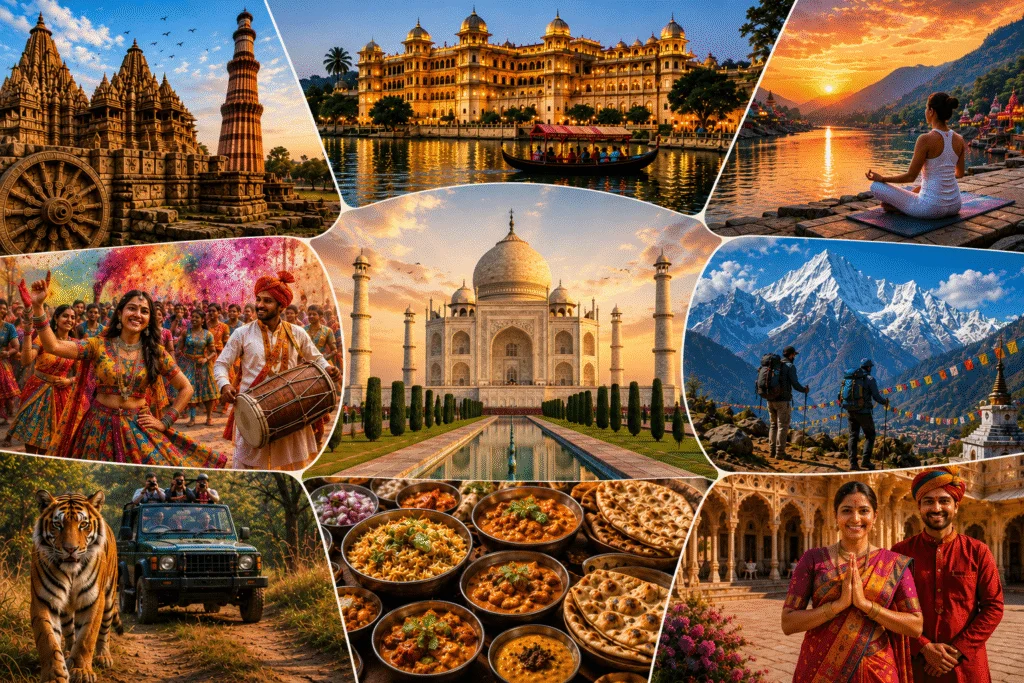
India is not just a country; it is a sprawling subcontinent of diverse landscapes, contrasting cultures, and deeply rooted traditions. Choosing between the North and the South can feel like deciding between two entirely different countries. While the North is famous for its grand Mughal architecture, chaotic bazaars, and dramatic history, the South charms visitors with its tropical backwaters, ancient Dravidian temples, and a deeply relaxed pace of life.
As a premier luxury India tour operator based in Delhi, Epic Indian Travel has guided thousands of first-time visitors through both regions. In this ultimate travel guide, we look at the core differences between North and South India to help you pick the perfect gateway for your journey.
North vs. South India: Key Differences at a Glance
Before diving into the day-by-day feeling of each region, here is how the two halves of the country stack up across key travel factors:
| Category | North India | South India |
| Primary Landscape | Arid deserts, vast plains, snow-capped Himalayas | Tropical coastlines, palm-fringed backwaters, lush tea estates |
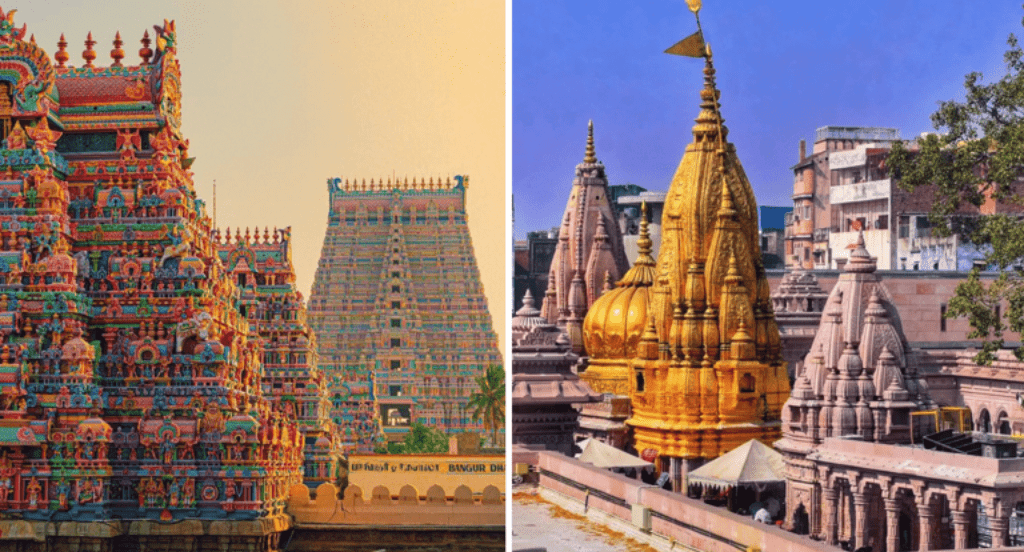
| Iconic Architectural Style | Mughal, Persian, and Rajput forts & palaces | Ancient Dravidian rock-cut temples & gopurams |
| Vibe & Pace of Life | High-energy, sensory, fast-paced, and bustling | Laid-back, tranquil, slow-paced, and serene |
| Staple Cuisine | Wheat breads (naan, roti), rich dairy-heavy gravies | Rice, coconut-infused curries, fresh seafood, dosas |
| Ideal For | History buffs, architectural enthusiasts, spiritual seekers | Nature lovers, wellness/Ayurveda seekers, beach goers |
The Case for North India: Grandeur, History, and Drama
If the image in your mind when you think of India features majestic marble structures, sweeping desert dunes, and colorful turbans, North India is your destination.
The Highlights
North India is home to the world-famous Golden Triangle circuit (Delhi, Agra, and Jaipur). It is a region defined by its monumental history—where the colossal forts of Rajasthan and the iconic white marble of the Taj Mahal showcase the wealth of past empires. Further east, cities like Varanasi offer a raw, sensory introduction to ancient Hindu spiritual rituals along the sacred River Ganges.
The Vibe
North India is incredibly high-energy. The streets are alive with rickshaws, chaotic spice markets, and bustling crowds. It is a wonderful sensory experience that delivers magnificent visual drama, but it can occasionally feel overwhelming for slow-paced travelers.
The Case for South India: Tranquility, Coastlines, and Nature
If your ideal vacation involves waking up to the sound of birds, sipping fresh coconut water, and slowing down, South India will steal your heart.
The Highlights
The southern peninsula is dominated by the tropical paradise of Kerala (“God’s Own Country”) and the deep temple heritage of Tamil Nadu. Here, the primary activities include cruising through the emerald backwaters on a private luxury houseboat, walking through the misty, rolling tea plantations of Munnar, and marveling at the towering, colorful gopurams (temple gates) of Madurai.
The Vibe
South India is inherently softer, greener, and much more relaxed. The infrastructure moves smoothly, the coastal breeze keeps the atmosphere calm, and the travel friction is generally lower for foreign tourists. It is also the global epicenter for authentic Ayurveda and wellness
Food: Two Distinct Culinary Worlds
Food is a massive part of your first journey, and the culinary boundaries between the two regions are stark:
- North Indian Food: Heavily features tandoori items, rich gravies (like Butter Chicken or Dal Makhani), paneer, and flatbreads. It feels rich, comforting, and deeply aromatic.
- South Indian Food: Light, refreshing, and heavily reliant on rice, lentils, coconut milk, and tangy tamarind. Signature dishes like Masala Dosa, Idli, and fresh coastal fish curries cooked in coconut oil offer a lighter dining experience.
The Verdict: Which One Should You Choose?
Choose North India if: You want to tick iconic world wonders off your bucket list, love deep royal and wartime history, want to explore massive forts, and are excited by high-energy cultural environments.
Choose South India if: You prefer nature, wildlife, and slow travel, want to prioritize relaxation and wellness, or are looking for a gentler introduction to the Indian subcontinent.
Why Compromise? Experience Both!
If you have 12 to 14 days, you do not actually have to choose. At Epic Indian Travel, we specifically designed the Cultural Highlights of North & South India — Golden Triangle with Kerala (13 Nights / 14 Days) package. This curated itinerary gives you the best of both worlds: you start with the historic architecture of Delhi, Agra, and Jaipur, and then take a quick domestic flight south to unwind along the peaceful backwaters and tea estates of Kerala.
Frequently Asked Questions (FAQs)
Q1. Which region is safer and easier to navigate for first-time solo female travelers?
Ans: While both regions are highly safe when traveling with a reputable tour operator, South India (especially Kerala) is widely considered to have a more relaxed, gentle atmosphere with lower street friction, making it a highly comfortable entry point for solo female travelers or senior tourists.
Q2. How does the food differ between North and South India?
Ans: North Indian cuisine is rich and heavy, featuring wheat-based flatbreads (Naan, Roti), creamy tandoori dishes, and aromatic curries using dairy products. South Indian cuisine is predominantly rice-based, lighter, and uses coconut, fresh curry leaves, and tangy tamarind extensively. It is also an absolute paradise for vegetarian and vegan travelers.
Q3. Is the weather different between the North and the South?
Ans: Yes, significantly. North India experiences distinct seasons, with very cool winters (October to February) and hot summers. South India features a tropical climate that remains warm and humid year-round, making its winter months pleasant and its monsoon season (June to September) beautifully lush.
Q4. How do I manage the logistics of traveling between both regions?
Ans: Trying to book multi-region trains or individual domestic flights independently can get complicated due to varying baggage rules and scheduling. The most seamless method is booking a unified tour through an established India tour operator based in Delhi. This ensures private airport transfers, pre-vetted local guides in each state, and interconnected domestic flights are fully synchronized.