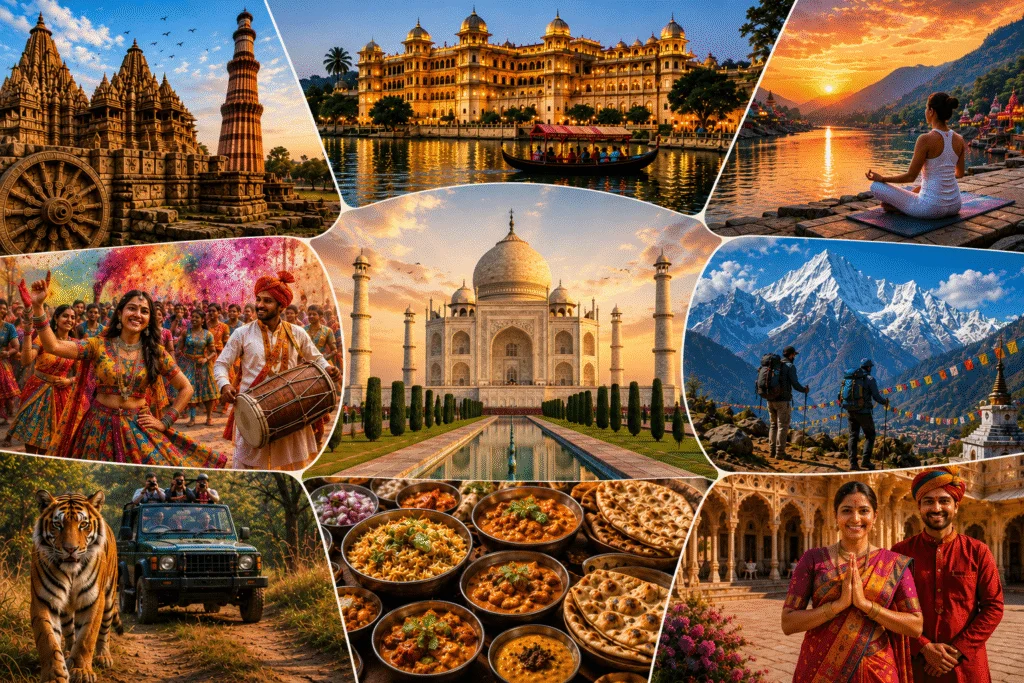
India is one of the world’s most fascinating travel destinations. From ancient temples and royal palaces to vibrant cities, wildlife safaris, and spiritual experiences, the country offers something for every traveler.
However, visiting India for the first time can feel overwhelming. The culture, food, transportation, and customs may be very different from what travelers from the USA, UK, Europe, or Australia are used to.
This guide covers the most important India travel tips for foreigners so you can plan confidently, stay safe, and enjoy an unforgettable journey through this incredible country.
Why Visit India?
India is a land of extraordinary diversity. In a single trip, you can experience:
- Historic monuments and UNESCO sites
- Spiritual traditions and ancient temples
- Wildlife safaris and national parks
- Tropical beaches and backwaters
- Mountain adventures in the Himalayas
- Colorful festivals and local cultures
Whether you’re exploring Delhi’s bustling streets, watching the sunrise over the Taj Mahal in Agra, cruising Kerala’s backwaters, or witnessing evening rituals in Varanasi, India offers experiences unlike anywhere else in the world.
1. Check Visa Requirements Before Traveling
Do Foreign Tourists Need a Visa for India?
Yes. Most international travelers require a visa before entering India.
Many visitors can apply for an e-Visa online, making the process convenient and fast.
Before booking flights:
- Verify visa eligibility
- Check passport validity requirements
- Apply several weeks before departure
- Print digital and physical copies of your approval
Travel Documents Checklist
Carry:
- Passport
- Visa approval
- Travel insurance documents
- Hotel reservations
- Return flight details
- Emergency contacts
2. Choose the Best Time to Visit India
India’s climate varies significantly across regions.
October to March (Best Overall Season)
Ideal for:
- Delhi
- Agra
- Jaipur
- Rajasthan
- Varanasi
- National parks
Weather is pleasant and suitable for sightseeing.
April to June
Best for:
- Himalayan destinations
- Hill stations
Temperatures can be extremely high in many cities.
July to September
Monsoon season brings lush landscapes and fewer crowds but may affect travel plans.
3. Understand India’s Cultural Etiquette
One of the most valuable India travel tips for foreigners is respecting local customs.
Dress Modestly
Especially when visiting:
- Temples
- Mosques
- Religious sites
- Rural areas
Lightweight clothing that covers shoulders and knees is generally recommended.
Remove Shoes at Religious Sites
Many temples and homes require visitors to remove footwear before entering.
Use Your Right Hand
Traditionally, the right hand is used for:
- Eating
- Giving money
- Receiving items
Following this custom shows cultural awareness.
4. Stay Safe While Traveling in India
India welcomes millions of international tourists every year.
Like any destination, awareness and preparation help ensure a safe trip.
General Safety Tips
- Use reputable transportation services
- Avoid isolated areas late at night
- Keep valuables secure
- Stay aware in crowded places
- Save emergency contact numbers
Safety Tips for Solo Travelers
- Share itineraries with family
- Book trusted accommodations
- Research destinations beforehand
- Trust your instincts
Travel Insurance Is Essential
Comprehensive travel insurance should cover:
- Medical emergencies
- Flight delays
- Lost baggage
- Trip cancellations
5. Be Prepared for Indian Food
Indian cuisine is one of the highlights of any trip.
However, first-time visitors should ease into local flavors.
Food Tips for Foreign Travelers
- Drink bottled or filtered water
- Eat freshly cooked food
- Choose busy, reputable restaurants
- Carry digestive medication if needed
Must-Try Indian Foods
- Butter Chicken
- Biryani
- Masala Dosa
- Paneer Tikka
- Chole Bhature
- Thali Meals
Each region offers its own unique culinary experience.
6. Learn How Transportation Works
India has one of the largest transportation networks in the world.
Domestic Flights
Best for covering long distances quickly.
Popular routes include:
- Delhi to Varanasi
- Delhi to Jaipur
- Mumbai to Kerala
Trains
Indian Railways provides a memorable travel experience.
Book tickets early, especially during peak tourist seasons.
Ride-Hailing Apps
Useful in major cities and often more convenient than negotiating fares.
7. Carry Cash and Digital Payment Options
India is increasingly digital, but cash remains useful.
Recommended Payment Methods
Carry:
- International credit cards
- Debit cards
- Some local currency
Small vendors and rural areas may still prefer cash payments.
8. Visit India’s Most Popular Destinations
Delhi
India’s capital combines history, culture, and modern attractions.
Top highlights:
- Red Fort
- India Gate
- Humayun’s Tomb
Agra
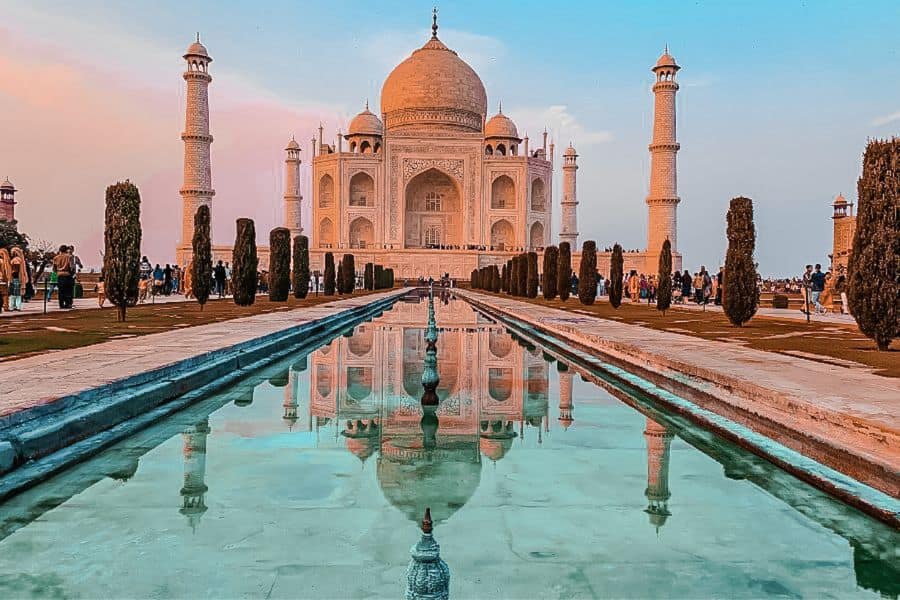
Home to the world-famous Taj Mahal, one of the most iconic monuments on Earth.
Jaipur
Known as the Pink City.
Highlights include:
- Amber Fort
- City Palace
- Hawa Mahal
Together, Delhi, Agra, and Jaipur form the famous Golden Triangle Tour.
Varanasi
One of the world’s oldest living cities.
Visitors come to experience:
- Spiritual ceremonies
- Ganga Aarti
- Ancient temples
- Sunrise boat rides on the Ganges River
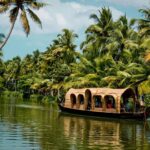
Kerala
Perfect for travelers seeking relaxation.
Known for:
- Houseboats
- Backwaters
- Ayurveda wellness retreats
- Beaches
Rajasthan
Offers royal heritage experiences through:
- Palaces
- Desert safaris
- Historic forts
- Luxury heritage hotels
National Parks and Wildlife
Popular wildlife destinations include:
- Ranthambore National Park
- Jim Corbett National Park
- Kaziranga National Park
Visitors can spot:
- Tigers
- Elephants
- Rhinoceroses
- Exotic bird species
9. Experience India’s Unique Cultural Wonders
India isn’t just about sightseeing.
It’s about immersive experiences.
Don’t Miss
- Sunrise at the Taj Mahal
- Evening Ganga Aarti in Varanasi
- Camel safaris in Rajasthan
- Kerala backwater cruises
- Tiger safaris
- Traditional Indian cooking classes
- Local festivals and celebrations
These experiences create lifelong memories.
Plan Your India Trip with Experts
Planning an international trip to India involves multiple destinations, transportation arrangements, accommodations, and cultural considerations.
Working with experienced India travel specialists can help you:
- Save time and effort
- Enjoy personalized itineraries
- Access knowledgeable local guides
- Travel safely and comfortably
- Discover authentic experiences beyond typical tourist routes
Whether you’re interested in a Golden Triangle Tour, spiritual journeys in Varanasi, luxury Rajasthan vacations, Kerala backwater experiences, or wildlife adventures, expert-guided tours make travel easier and more rewarding.
Why Choose a Guided India Tour?
- Airport assistance
- Local expert guides
- Comfortable transportation
- Curated experiences
- 24/7 travel support
- Better cultural understanding
A professionally planned itinerary allows you to focus on enjoying India rather than managing logistics.
Frequently Asked Questions (FAQs)
Is India safe for foreign tourists?
Yes. Millions of international visitors travel to India every year. Following standard travel precautions and using reputable services helps ensure a safe experience.
What is the best month to visit India?
November through February is generally considered the best period due to pleasant weather across many popular destinations.
Can foreigners drink tap water in India?
It is generally recommended to drink bottled, filtered, or purified water during your trip.
How many days do I need for a first India trip?
A 10–14 day itinerary allows travelers to comfortably explore major destinations such as Delhi, Agra, Jaipur, Varanasi, and Kerala.
What should I wear in India?
Comfortable, lightweight, and modest clothing is recommended, particularly at religious and cultural sites.
Is English widely spoken in India?
Yes. English is commonly spoken in major cities, tourist destinations, hotels, airports, and by tourism professionals.
Which India tour is best for first-time visitors?
The Golden Triangle Tour (Delhi, Agra, and Jaipur) is widely considered the best introduction to India’s culture, history, and architecture.
Conclusion
India is a destination that surprises, inspires, and transforms travelers. Its rich history, vibrant culture, diverse landscapes, spiritual traditions, and warm hospitality create unforgettable experiences.
By understanding local customs, planning ahead, staying informed, and choosing trusted travel services, first-time visitors can explore India with confidence.
Whether you’re dreaming of the Taj Mahal, the spiritual atmosphere of Varanasi, the royal heritage of Rajasthan, the natural beauty of Kerala, or thrilling wildlife safaris, India offers adventures that stay with you forever.
Start planning today and discover why India remains one of the world’s most rewarding travel destinations.